


Professional editing turns raw footage into one consistent brand experience that people recognize, remember, and trust. Video now shapes first impressions across almost every channel your buyers use. Publishing video is not the same as building a brand that comes down to deliberate brand video production. Editing decides how your business looks, sounds, moves, and feels in every frame. It controls pacing, color, captions, music, and hundreds of small details viewers absorb without noticing.
This blog post explains how editing influences recognition, recall, and credibility. You will also get two reference tables, a consistency system, and the mistakes that quietly weaken brand awareness.
What Is Brand Awareness and Why Does It Matter?
Brand awareness is how easily people identify your business and connect it with what you sell. It matters because buyers rarely shortlist a company they cannot place. Awareness builds through four practical stages:
- Exposure: someone sees your content once, often while scrolling
- Recognition: they link your visuals, voice, or style back to your name
- Recall: your brand surfaces in their mind when a need appears
- Consideration: you make the shortlist against competing options
Most businesses collect exposure and stall there. Consistent editing pushes viewers toward recall.
Brand Recognition vs. Brand Recall
Recognition is prompted, while recall is unprompted. Recognition happens when a viewer sees your palette, intro animation, or caption style and knows the source. Recall happens later, with no cue on screen, when a buying need appears. Recognition comes from repeated signals, and recall comes from the meaning attached to them. Strong branded video production works on both layers.
Why Familiarity Influences Customer Trust
Familiarity lowers perceived risk. Repeated exposure to polished content makes a business feel established rather than temporary. Viewers cannot audit your operations, so they judge signals such as clean audio and steady color. The Edelman Trust Barometer has shown that trust builds through repeated positive exposure, not single interactions.
Why Video Is Effective for Building Brand Awareness
Video works because it delivers several brand signals at once, in the order you choose. Text asks readers to imagine your tone, while video shows it directly. One filmed session can also support social clips, website content, ads, and email campaigns.
Video Combines Visual, Audio, and Emotional Branding
Video layers imagery, motion, music, voice, pacing, and color into a single impression. Warm color and soft piano communicate care and calm. High contrast visuals and percussive music communicate energy. Voice tone signals whether you are formal, friendly, or technical. When these layers agree, the brand feels intentional.
Why Storytelling Makes Brands More Memorable
Stories give people something to hold onto beyond a product list. A narrative with a problem, a turning point, and a result creates context. Context is easier to remember than specifications. A customer may forget your service tiers within a day. They will remember the owner who described a costly shipping delay.
How Video Editing Influences Brand Perception
Editing controls how audiences experience your brand from the first cut to the final frame. The same footage can feel premium, playful, or clinical depending on post-production choices. That is why post production video editing services carry real brand weight.
Pacing and Timing Shape the Brand Experience
Pacing sets brand personality faster than any tagline. Quick cuts and short shot lengths read as energetic, youthful, and modern. Longer holds and patient reveals read as premium and confident. Educational content sits between the two. Match pacing to the personality you want associated with your name.
Audio and Sound Design Influence Brand Personality
Audio quality shapes perceived professionalism more than resolution does. Viewers tolerate soft visuals far longer than hiss, echo, or clipped dialogue. Music sets emotional temperature, while sound effects add polish to transitions. Silence, used deliberately, creates emphasis before an important line. A consistent music family becomes an audio signature people recognize.
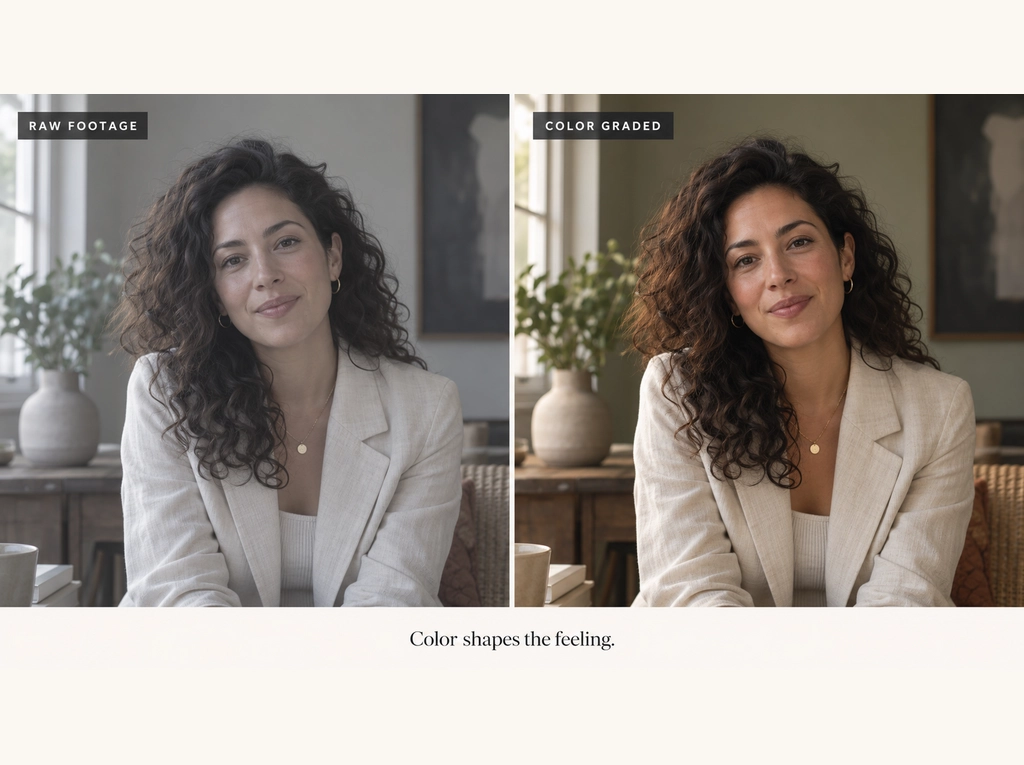
Color Grading and Visual Quality Affect Brand Perception
Consistent color grading makes separate videos feel like one connected library. A repeatable grade, built around your palette, becomes a visual fingerprint. Viewers notice when clips look mismatched. Exposure, white balance, and skin tones should stay stable across shoots and cameras. Reliable video editing services treat grading as a brand standard.
Video Editing Elements and Their Brand Awareness Impact
| Editing Element | What It Controls | Primary Brand Impact |
| Pacing and timing | Energy, tone, attention flow | Engagement and personality |
| Color grading | Visual consistency across content | Recognition |
| Typography | On-screen voice and clarity | Recognition and recall |
| Motion graphics | Branded transitions and lower thirds | Recall |
| Captions | Silent viewing and comprehension | Reach and engagement |
| Music | Emotional tone and continuity | Recall and trust |
| Sound design | Polish and production quality | Trust |
| Transitions | Flow between ideas | Engagement |
| Logo and brand assets | Ownership of the content | Recognition |
Color grading, typography, and motion graphics drive recognition most directly, while music and storytelling drive recall.
How Consistent Video Editing Builds a Recognizable Brand Identity
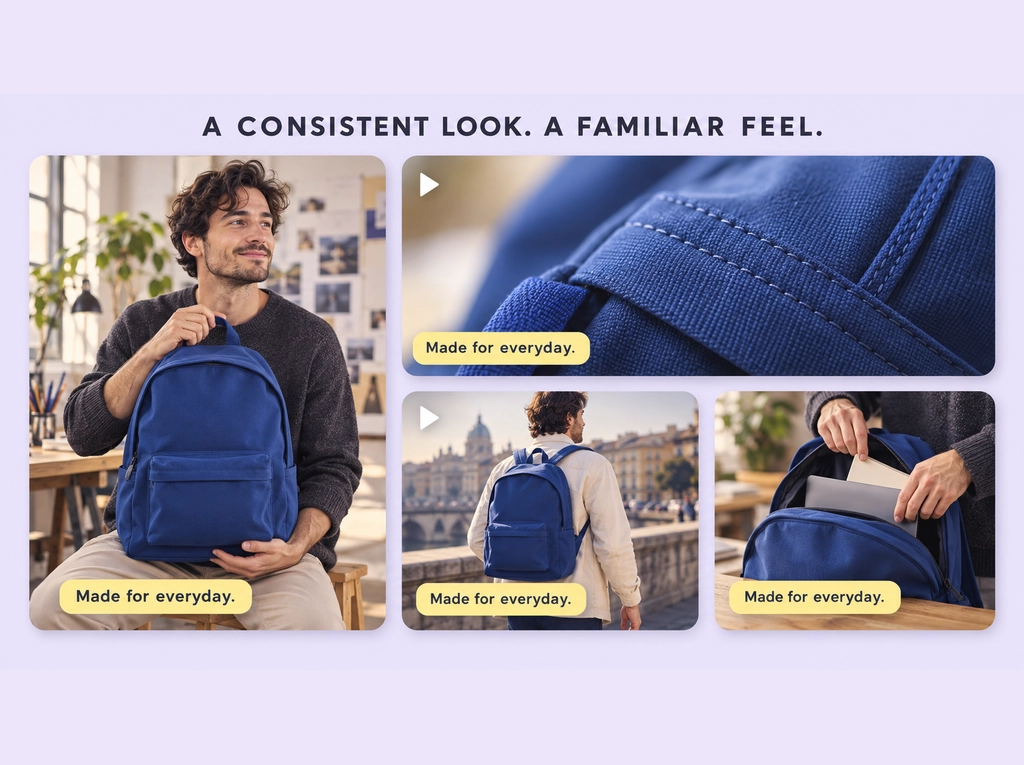
Consistency turns individual videos into a recognizable system. One strong video creates a moment. Twenty videos with shared editing patterns create a brand identity people identify mid-scroll. Repeated choices become signals, and signals become shortcuts in memory. This is the advantage of planned brand video production over one-off projects.
Brand Colors, Fonts, Logos, and Motion Graphics
Brand assets should support the content rather than interrupt it. Use brand colors in captions, lower thirds, and accent graphics. Keep one heading font and one body font across all videos. Place the logo in a fixed corner or reserve it for the closing frame. Subtle, repeated placement builds recognition without making content feel promotional.
Creating a Signature Editing Style
A signature style is a short list of choices you repeat on purpose. Define your shot length, transition set, caption placement, and animation style. Add a standard intro length, outro card, and music family. Document it so every editor produces the same feel. A capable video editing company builds this guide before scaling output.
Maintaining Consistency Across Different Video Formats
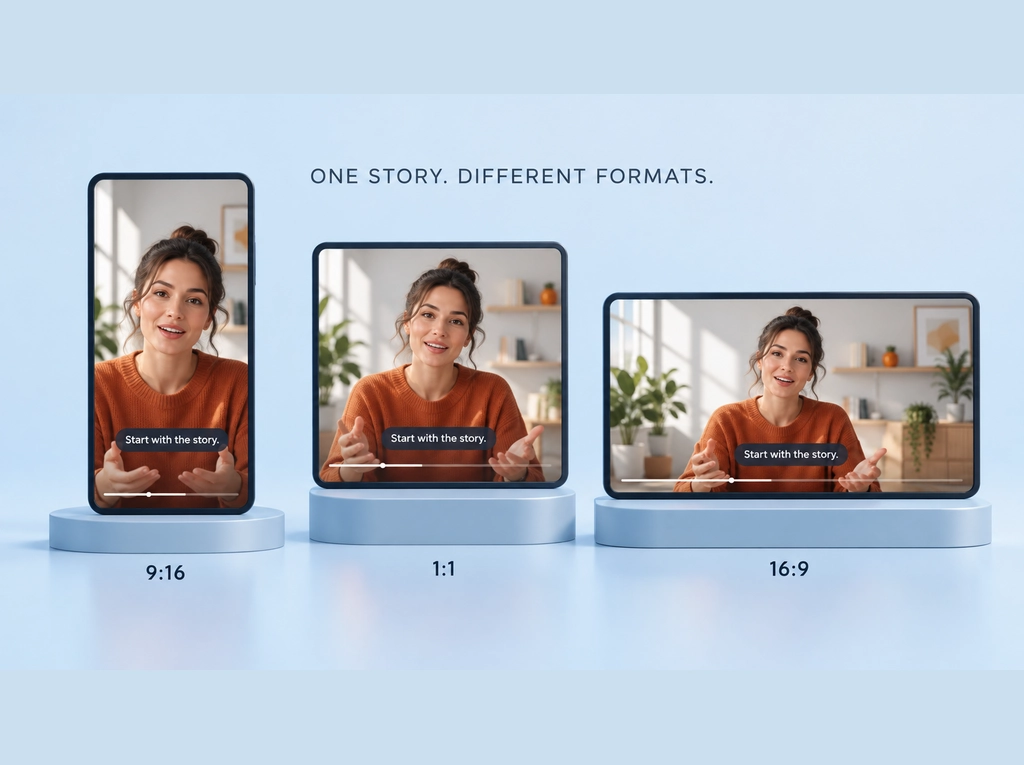
The brand should stay recognizable while the format adapts. Reels and Shorts need vertical framing, larger captions, and faster openings. YouTube allows longer setups and deeper explanations. Website videos favor calm pacing, and testimonials need clean audio with minimal effects. Keep colors, fonts, and music consistent. Change the packaging, not the identity.
How Professional Video Editing Improves Brand Recall
Deliberate editing helps viewers remember your message, look, and tone long after the video ends. Recall depends on repetition plus meaning. Editing repeats brand signals in predictable places and ties them to moments worth remembering.
Using Repetition Without Making Videos Feel Repetitive
Repeat structure, not content. Keep the same caption style, color treatment, intro length, and outro card in every video. Then vary the hook, story, examples, and visual sequences. Viewers register the familiar frame and stay for new material. Repetition without variation causes fatigue, while variation without repetition prevents recognition.
Creating Emotional Moments Viewers Remember
Emotional peaks are engineered in the edit. A close-up held two seconds longer creates intimacy. A music drop timed to a reveal creates lift. Viewers forget most of a video and remember how one section made them feel.

How Video Editing Builds Trust and Brand Credibility
Production quality signals professionalism, though it never replaces substance. Clean editing suggests a business that checks details and respects viewer time. Credibility still rests on real expertise and honest claims. Careful brand video production removes the friction that makes viewers doubt you early.
Why Poor Editing Can Damage Brand Perception
Small flaws compound into a weak impression. The most common damage comes from:
- Muffled, echoing, or inconsistent audio levels
- Color that shifts noticeably between shots and scenes
- Distracting transitions and overused effects
- Spelling errors in captions and on-screen text
- Awkward cuts, dead air, and low resolution graphics
Each issue is minor alone. Together they suggest a business that skips review.
How Professional Post-Production Signals Attention to Detail
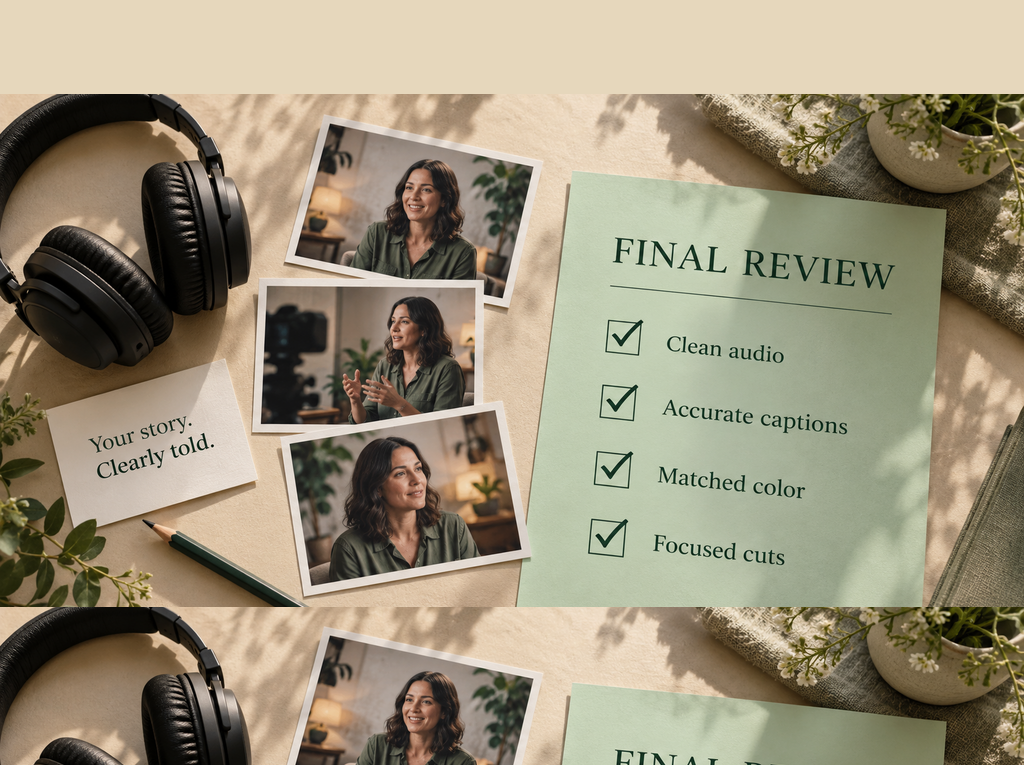
Clean post-production communicates internal standards. Matched audio levels, accurate captions, and consistent typography show that someone reviewed the work. Viewers translate that care into expectations about your service delivery. Businesses without in-house capacity often outsource video editing services to protect that standard.
How Video Editing Improves Brand Awareness on Social Media
Social editing must respect short attention spans, vertical screens, and sound-off viewing. The first two seconds decide whether the rest of the video gets watched. Captions carry the message for most viewers, and branded elements need to appear early.
Short-Form Video for Reels, TikTok, and YouTube Shorts
Short-form rewards immediate clarity. Open with the payoff, the problem, or a visual that interrupts scrolling. Keep one idea per video, with large captions in your brand font. Frame vertically, leaving safe margins for platform interface elements. Templated intros keep production fast, which is where social media video editing services create leverage.
Long-Form YouTube and Educational Brand Content
Long-form builds authority that short clips cannot. Editing sustains attention through chapters, b-roll, on-screen examples, and tight removal of filler. Show the process, not just the conclusion. Keep the host on camera enough to build familiarity. Branded lower thirds reinforce identity while viewers learn.
How Video Editing Supports Brand Awareness Across Marketing Channels
Consistent editing creates one connected experience across every touchpoint. Someone may find you on Instagram, click an ad, then land on your website. Matching color, typography, music, and tone confirms they reached the right company.
Website and Landing Page Videos
The website video covers what text struggles to explain. Brand story videos introduce the people behind the work. Service videos explain scope quickly, and homepage videos set tone within seconds. Testimonials build proof through real voices. Keep these edits calm and free of heavy effects.
Paid Video Ads and Promotional Campaigns
Ad editing compresses the brand message into the first few seconds. Lead with the hook, then the problem, then the offer. Produce several durations from one master edit, such as six, fifteen, and thirty seconds. Adapt framing for square, vertical, and horizontal placements. The best video editing services for ads understand platform behavior, not just software.
Email, Content Marketing, and Other Digital Channels
Video extends brand messaging well beyond social feeds. Animated thumbnails in email campaigns lift click-through rates. Short clips inside blog posts explain complex steps, and product demos strengthen proposals. Reuse the same graphics and color treatment everywhere. Many teams rely on online video editing services to keep repurposing fast.
How to Measure the Impact of Video Editing on Brand Awareness
Brand awareness should be judged through several signals, not view counts alone. Views measure distribution, while awareness shows up in search behavior and direct interest. Track a small set of metrics consistently instead of everything occasionally.
Brand Awareness Metrics Businesses Should Track
| Metric | What It Measures | When to Monitor |
| Reach and views | Distribution and exposure | Weekly |
| Watch time | Content holding power | Weekly |
| Completion rate | Editing and pacing quality | Per video |
| Engagement rate | Message relevance and resonance | Weekly |
| Branded search volume | Unprompted brand recall | Monthly |
| Direct website traffic | Memory of your business name | Monthly |
| Social mentions and shares | Word of mouth momentum | Monthly |
| Brand lift or ad recall | Measured awareness change | Per campaign |
Branded search growth and direct traffic are the clearest indicators that video is building real recall.
Common Video Editing Mistakes That Weaken Brand Awareness
The most damaging video editing mistakes are consistency failures rather than technical ones. Watch for these issues across your video library:
- Inconsistent branding: changing colors, fonts, or intros resets recognition each time
- Excessive effects: heavy transitions and filters pull attention away from the message
- Poor audio: hiss, echo, and uneven levels undermine otherwise strong footage
- Weak storytelling: clips without a clear point are watched and forgotten
- Uneven visual quality: mismatched grading across videos signals loose standards
- Trend-chasing: formats that clash with your brand personality confuse viewers
- Unclear messaging: more than one idea per video weakens recall of all of them
How to Build a Consistent Video Editing System for Your Brand
You build a consistent video editing system by documenting brand rules and applying them through reusable templates. That stops every video from becoming a separate creative project. Documented standards produce a recognizable library instead of a scattered one. Effective brand video production depends on rules that survive staff changes and deadlines. The two steps below cover what to document and how to template it without looking generic.
Creating Video Brand Guidelines
Video brand guidelines are a short document any editor can follow. Include the following:
- Approved color palette and grading reference
- Heading and caption fonts with sizes and placement rules
- Logo placement, size, and usage limits
- Standard intro length and outro card design
- Transition set and effect restrictions
- Music styles, tempo range, and licensing sources
- Voice and tone notes for scripts and captions
Keep it to a few pages, since guidelines only work when people read them.
Using Templates Without Making Content Look Generic
Templates protect consistency and speed, provided they stay flexible. Lock the elements that carry identity, such as captions, colors, lower thirds, and outros. Leave pacing, story structure, b-roll, and music selection open. Refresh templates every few months. A skilled video editing agency treats templates as a foundation, not a formula.
Why Professional Video Editing Is a Long-Term Brand Investment
Professional video editing is a long-term investment because the returns compound as your content library grows. One polished video creates a brief impression. Fifty consistent videos create familiarity that works before anyone reads your name. Each new upload reinforces signals viewers already stored, so recognition gets cheaper over time. Familiar brands also see stronger ad performance and shorter sales conversations. Early videos keep working while later ones build on them. Investing in professional video editing services builds a compounding asset rather than a one-time deliverable.
Final Thoughts
Editing quality, applied consistently, converts video output into genuine brand awareness. Pacing and sound define personality, while color and typography create recognition. Story and emotion drive recall, and clean post-production supports trust. Measure progress through branded search, direct traffic, and completion rates. Businesses that document standards see the strongest gains from brand video production.
Delenzo Technologies works with brands in Dallas and across the USA on video editing, brand identity, and digital marketing. Our team helps businesses build video systems audiences recognize and remember.
Frequently Asked Questions
How does video editing improve brand awareness?
Video editing strengthens brand awareness by turning raw, unrefined footage into polished, engaging stories that grab attention fast and hold viewers’ interest.
How can video content increase brand recognition?
Video content boosts brand recognition by blending motion, audio, and narrative to hold attention and leave a lasting impression of a business.
Why is consistency important in branded video content?
Consistency matters because brand recognition is built through repetition. When elements like color palette, typography, music choice, and editing style remain uniform across videos, individual pieces stop feeling like one-off content and start functioning as a cohesive brand library.
Does professional video editing improve brand credibility?
Yes, clean editing signals attention to detail and raises perceived professionalism. It does not replace real expertise, but poor audio and mismatched visuals damage trust quickly.
How do you measure brand awareness from video marketing?
You measure brand awareness from video marketing by combining viewing metrics, audience engagement signals, and wider brand lift indicators. Branded search volume and direct traffic show the clearest recall.