

Video content now drives most business marketing across the United States. Companies record footage for ads, tutorials, and social posts, but raw clips rarely deliver a complete message on their own. Professional video editing services shape that footage into content that informs, sells, and builds trust.
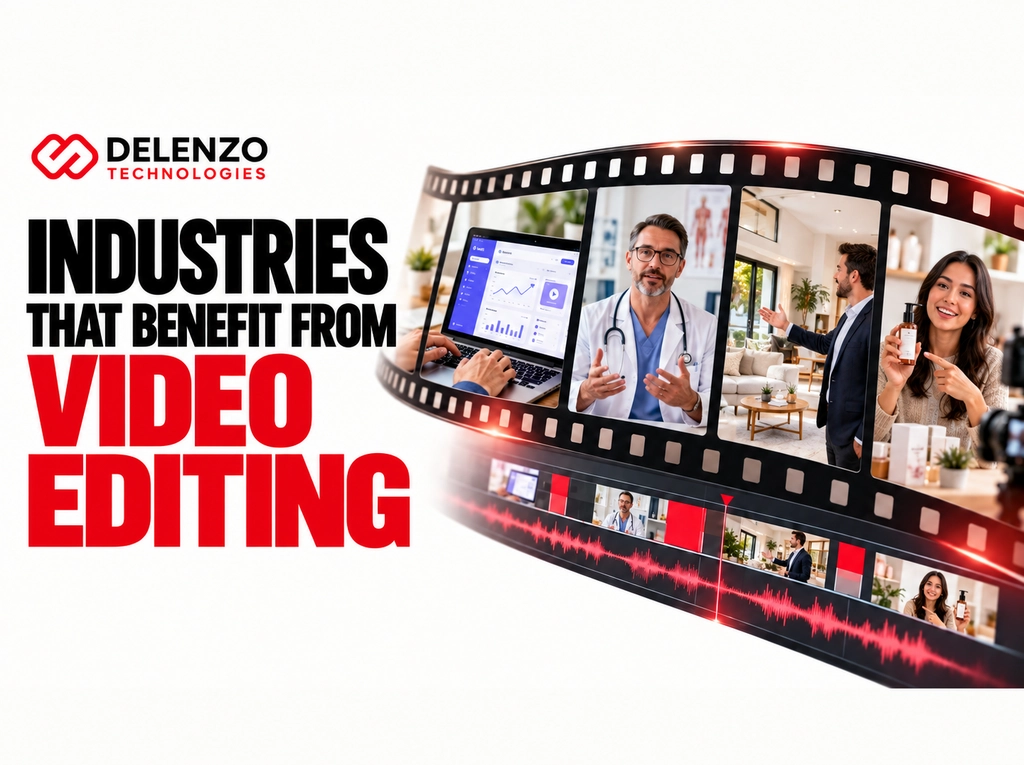
The approach depends on the business. A hospital needs a different tone than a fitness brand, while a software demo serves a different purpose than a property tour. This blog post explores industry-specific uses for editing and what to consider when choosing an editing partner.
Why Different Industries Need Professional Video Editing
Different industries need different editing styles because audiences, goals, and platforms are not the same. A financial explainer needs clarity, while a retail ad needs energy and speed. Choosing professional video editing services that match these differences produces stronger, more consistent results. The sections below explain the core business goals editing supports, and why an industry-specific approach consistently outperforms one generic editing style applied everywhere.
How Professional Editing Supports Different Business Goals
An awareness video needs to introduce the brand quickly. An educational video needs room for explanations and examples. A sales video should show the product’s benefits and give viewers a next step, while a training video needs instructions people can follow and revisit.
These goals call for different editorial choices. For example, an ad might open with the finished result, while a tutorial starts with the first step. Our article on engagement, views, and conversions explores how those choices connect to marketing performance.
Why Industry-Specific Editing Produces Better Content
Industry context helps an editor decide what deserves attention. In a property tour, viewers need to understand how rooms connect. In a software demo, they need to see which action produces a result. A medical explainer may need extra time around unfamiliar terminology. Matching the edit to these needs gives each video a practical purpose beyond looking polished.
Technology and SaaS Companies
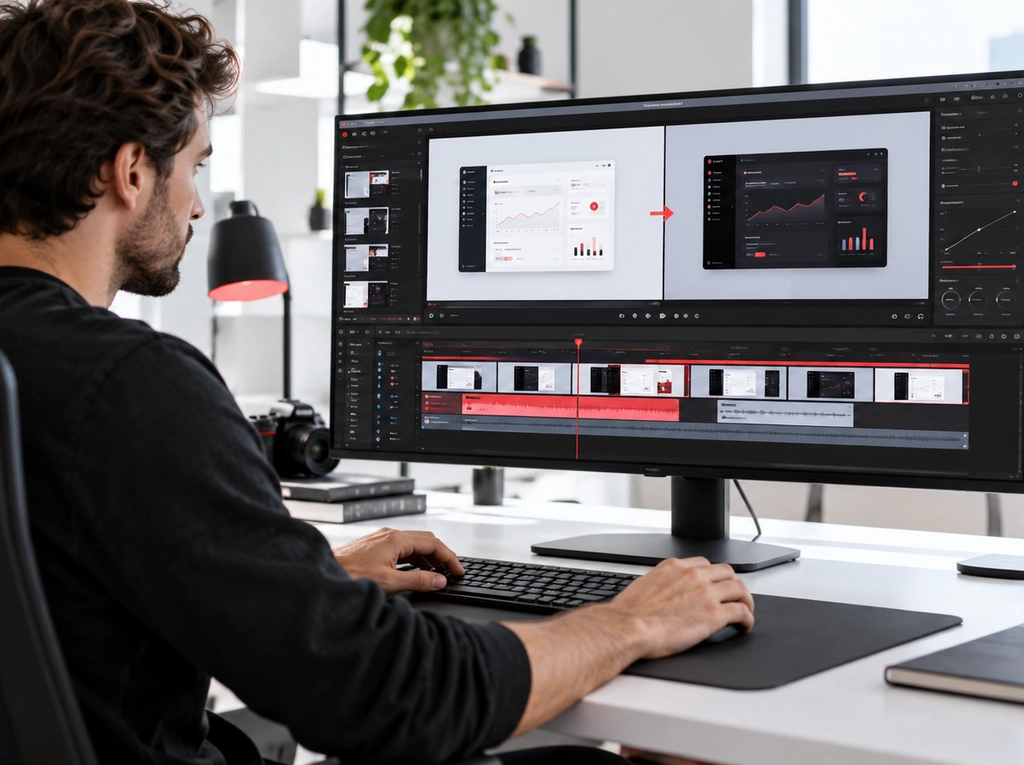
Software features can be difficult to explain without showing them in use. Screen recordings, interface callouts, and motion graphics help technology companies demonstrate what a product does and how it fits into a customer’s workflow.
Product Demos, Explainer Videos, and Feature Walkthroughs
A focused demo follows one task from start to finish. For a project management tool, an editor might show a user creating a task, assigning it, and tracking its status. Zooming in on the relevant controls and removing loading time keeps attention on the workflow. Structured walkthroughs guide viewers from problem to solution in a logical order, which shortens the sales cycle.
Customer Stories and B2B Marketing Videos
Customer interviews often contain useful insights scattered across long recordings. Editing organizes them around the original challenge, the customer’s experience, and the outcome they describe. Supporting product footage gives context without interrupting the speaker. Shorter, well-edited stories also shorten buyer decision time.
Healthcare and Medical Businesses
Healthcare videos need a calm tone and careful handling of information. Patients may be unfamiliar with the subject or anxious about a visit, so explanations should be easy to hear, read, and follow.
Patient Education, Doctor Profiles, and Testimonials
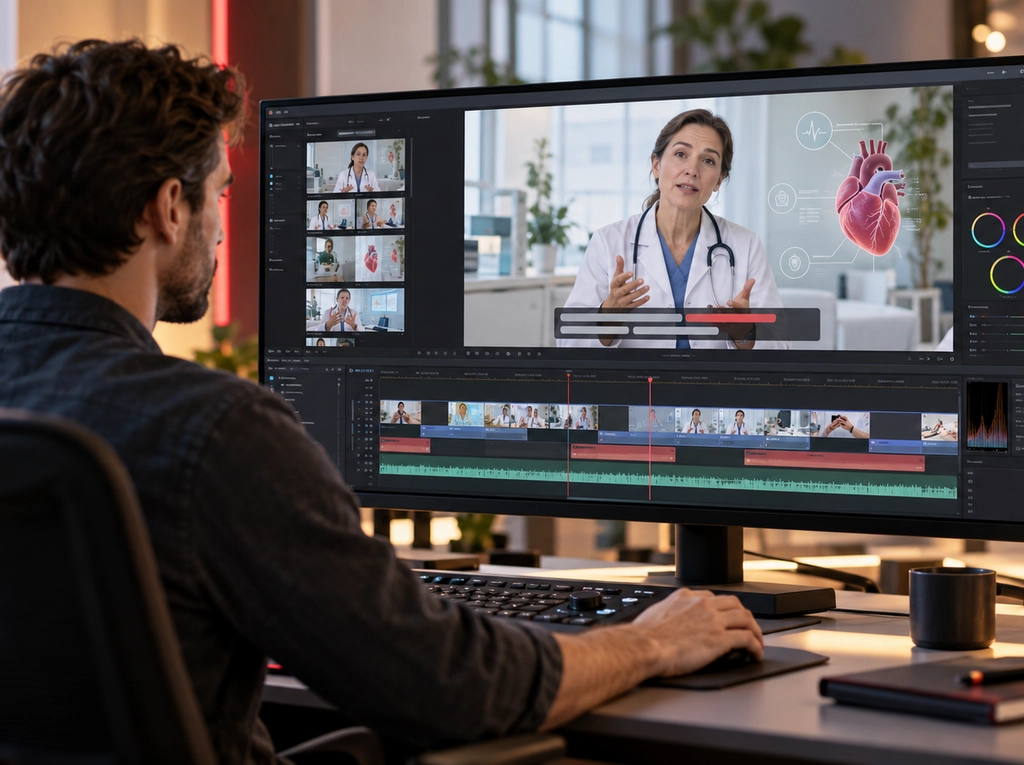
Each format answers a different patient question. An education video explains a condition or treatment. A doctor profile introduces the person behind the service. A testimonial shares a patient’s experience. Editing gives these videos a manageable structure, with topic labels and pauses between important points.
Accuracy, Accessibility, and Professional Presentation
Captions should match the spoken information, including medical terminology. Audio cleanup helps keep explanations audible, while simple graphics can illustrate a step without crowding the screen. Responsible editing avoids exaggeration and keeps medical claims accurate and compliant with platform guidelines.
Real Estate and Property Businesses
Real estate listings sell faster with visually strong video content. Buyers often decide interest within the first few seconds of a video, making the opening shots and order of the tour especially important.
Property Tours, Walkthroughs, and Listing Videos
A useful property tour helps viewers understand the layout. Editors can arrange footage in a natural room-to-room sequence, stabilize moving shots, and balance exposure across interiors. On-screen labels identify spaces and highlight features such as storage or outdoor areas. Music supports the atmosphere without competing with narration.
Agent Branding, Neighborhood Videos, and Social Content
Agents can extend a listing video into shorter clips highlighting individual rooms or features. Neighborhood footage adds context about the surrounding area, while a consistent introduction and visual style help viewers recognize the agent’s content. Social media video editing works best as part of a wider social media marketing strategy, with each clip serving a defined purpose.
E-Commerce and Retail Brands
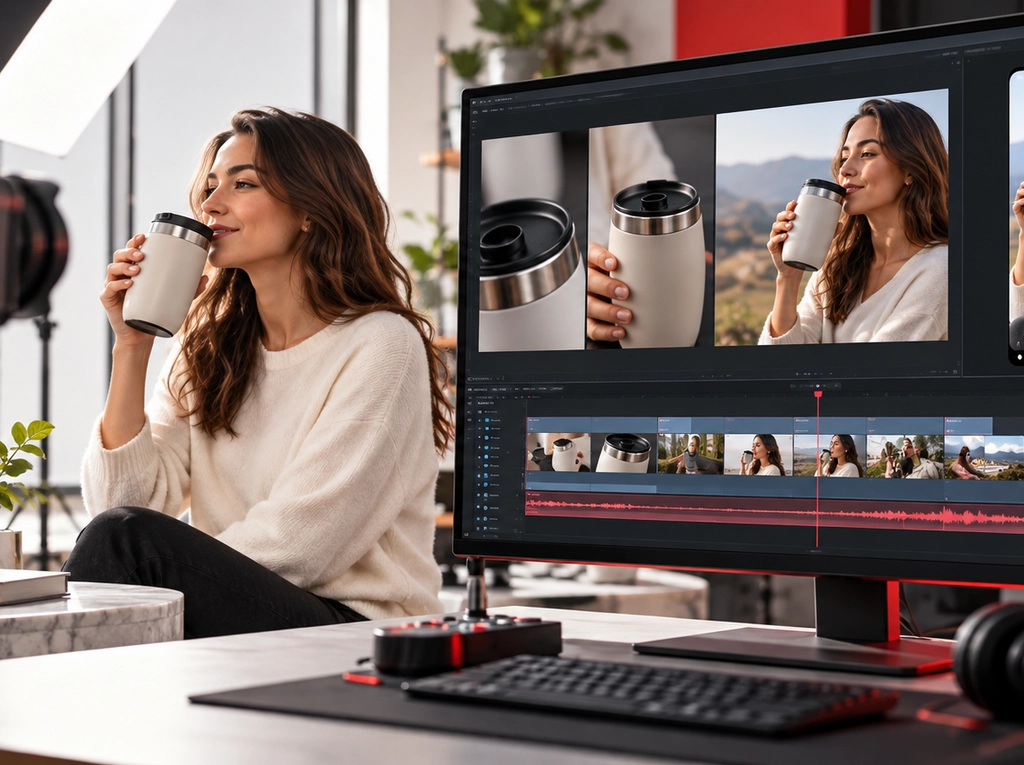
Online shoppers cannot touch or test products before buying. Video helps close that gap by showing products in use. Well-edited product videos increase buyer confidence and reduce return rates over time.
Product Demonstrations, UGC, and Promotional Videos
Demonstrations show how a product works, while unboxing videos focus on what arrives in the package. User-generated content (UGC) brings in the customer’s perspective. An editor can organize these clips around a specific buying question, such as how an item fits, what it includes, or how to set it up.
Editing Videos for Product Pages and Social Commerce
A product page video should place essential details within easy reach. A social ad may need a faster opening and a mobile-friendly crop. For example, the same appliance footage could become a setup demonstration for the website and a short result-focused clip for social media. Text placement and framing should suit each version.
Education and eLearning Businesses
Educational editing gives lessons a structure learners can follow and return to. Removing distractions is useful, but keeping necessary explanations and thinking time matters just as much.
Online Courses, Tutorials, and Lecture Videos
Editors can remove false starts, align screen recordings with narration, and divide lessons into named chapters. Captions support viewing without sound, while on-screen examples reinforce the instructor’s explanation. Online video editing services can also help course creators apply the same titles and lesson structure across a series.
Educational Marketing and Student Recruitment Videos
Recruitment content serves a different purpose from teaching content. Campus tours introduce the learning environment, and student interviews offer a personal perspective. EdTech explainers can demonstrate a typical lesson or activity so prospective buyers can see how the product works before committing.
Finance, Insurance, and Professional Services
Financial and legal topics can involve unfamiliar terms and detailed explanations. Editing helps organize that information without making viewers work through an entire unstructured presentation.
Explainer, Educational, Testimonial, and Thought-Leadership Videos
A question-led format gives expert interviews a useful structure: introduce the question, explain the key points, and summarize the answer. During post production, a professional video editing service can add definitions, supporting graphics, and relevant client quotes while preserving their context. A longer discussion can also provide focused LinkedIn clips or standalone answers to common questions.
Hospitality, Travel, and Food Businesses
Hospitality brands sell experiences, not just services or rooms. Strong visual storytelling helps potential guests imagine themselves inside that experience before they book.
Hotel, Destination, Restaurant, and Experience Videos
Hotel videos showcase rooms, amenities, and overall guest experience. Destination videos highlight local attractions and travel appeal. Food videos use close shots and warm lighting to build appetite appeal. Branded video production helps hospitality brands maintain a consistent, recognizable style across every campaign. Promotional reels and social content extend reach across multiple platforms and seasons. Seasonal edits also help hotels and restaurants promote holidays, festivals, and limited-time offers quickly.
Manufacturing, Construction, and B2B Companies
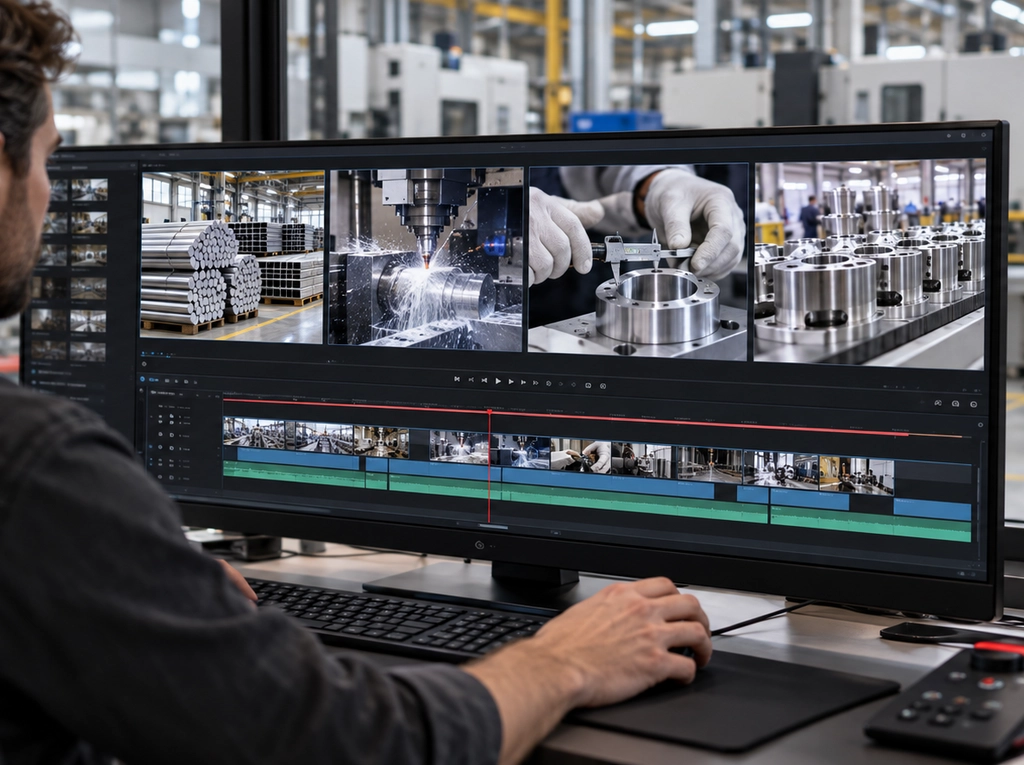
Technical processes are not always easy for outside buyers to understand. Editing connects individual shots into a sequence that explains what a company makes, how its work progresses, and where its capabilities fit a buyer’s needs.
Product Demonstrations, Process Videos, and Corporate Content
Factory tours can follow a product through production, with labels identifying each stage. Construction updates can pair dated footage with progress summaries. Demonstrations benefit from close-ups of important components, while training videos need visible steps and time to absorb instructions. The edit should reflect whether the audience is evaluating a supplier, following a project, or learning a task.
Which Industries Benefit Most From Professional Video Editing?
No single industry benefits the most from professional video editing services. Value depends on content volume, customer journey length, and storytelling potential. Industries with visual products, complex offerings, or frequent publishing needs usually see the strongest impact. The table below compares their common video needs and editing priorities.
| Aspect | Common Video Types | Editing Focus | Best Platform |
| Technology and SaaS | Product demos, explainers | Screen recordings, motion graphics | Website, YouTube |
| Healthcare | Patient education, testimonials | Accuracy, calm pacing, captions | Website, Facebook |
| Real Estate | Property tours, agent branding | Stabilization, color correction | YouTube, Instagram |
| E-Commerce | Product demos, UGC, ads | Fast pacing, mobile formats | Instagram, TikTok |
| Education | Courses, tutorials | Clarity, chapter markers | YouTube, website |
| Finance and Insurance | Explainers, thought leadership | Credibility, structured pacing | LinkedIn, website |
| Hospitality and Travel | Destination, food, hotel videos | Visual appeal, warm tone | Instagram, YouTube |
| Manufacturing and B2B | Factory tours, corporate videos | Process clarity, professionalism | Website, LinkedIn |
How to Choose Video Editing Services for Your Industry
Start with your intended audience, publishing platforms, and expected content volume. These details give an editing partner something specific to respond to and make it easier to compare proposals beyond price alone.
What to Look for in an Industry-Specific Video Editing Company
Look for relevant industry experience and storytelling ability in a company’s portfolio. For YouTube video editing services, ask how the editor approaches opening sequences, longer explanations, and viewer attention. Check whether related work, such as thumbnails, is included in the scope.
Discuss brand guidelines, feedback, revision limits, and delivery schedules before starting. Branding consistency across projects signals a mature, dependable video editing agency. Our guide to choosing the right video editing agency covers the evaluation process in more detail.
When Businesses Should Outsource Video Editing
Businesses can outsource video editing service requirements when publishing demands exceed internal capacity or a project requires skills their team does not have. This approach may also suit businesses with occasional campaigns that do not justify hiring a dedicated editor.
An in-house team can be a better fit for steady workloads, close collaboration, and frequent changes. Neither option automatically delivers lower costs or faster turnaround. Results depend on the people involved, the project scope, and how feedback is managed. This comparison of DIY versus professional video editing explores the trade-offs further.
| Aspect | In-House Editing | Outsourced Editing |
| Cost | Ongoing staffing and software costs; may be economical with steady workloads | Project or retainer fees; total cost depends on scope, volume, and revisions |
| Expertise | Deep familiarity with the business; specialist skills depend on the team | Access to specialist skills when the selected provider offers them |
| Scalability | Additional demand may require hiring, training, or temporary support | Can add capacity, subject to provider availability and onboarding |
| Turnaround Time | Direct access to editors; delivery depends on internal priorities and workload | Agreed schedules; delivery depends on capacity, brief quality, and feedback |
| Consistency | Supported by brand familiarity, guidelines, and internal review | Supported by a detailed brief, shared guidelines, and a stable editing team |
| Best For | Steady content needs and frequent collaboration | Variable workloads, specialist projects, or limited internal capacity |
A mixed approach can work too: keep routine edits in-house and outsource specialist work or busy periods. Compare the full cost and workflow of each option against your actual publishing needs.
Final Thoughts
The best video editing services start with what your audience needs to see or understand. A software buyer may need a workflow demonstration; a property buyer may need a sense of layout. Define that purpose before deciding on style or format. For more context, read why professional video editing supports business growth.
Delenzo Technologies, based in Dallas, USA, offers video editing for YouTube, social platforms, and websites. Our approach starts with your industry, audience, and the purpose of each video.
Need help turning your footage into content for your business? Contact Delenzo Technologies to discuss your industry, target platforms, and editing requirements. Share the footage you have and what you want the finished video to achieve.
Frequently Asked Questions
Which industries benefit most from professional video editing services?
Technology, healthcare, real estate, e-commerce, education, finance, hospitality, and manufacturing benefit most. Their video needs range from explaining products and processes to introducing services and sharing customer experiences.
Why do businesses need professional video editing services?
Editing turns separate recordings into a coherent message. It removes distractions, organizes the story, balances audio, and prepares the video for its intended platform and audience.
What industries use video editing services the most?
Technology, e-commerce, real estate, and education use video editing the most. These industries publish frequent demos, listings, courses, and social clips, making consistent editing quality essential.
Should businesses outsource video editing services?
Outsourcing can be useful when your team lacks time, capacity, or specialist skills. In-house editing may suit steady workloads and frequent collaboration. Compare costs, availability, revision terms, and the level of involvement each option requires.
How do I choose the best video editing company for my industry?
Review relevant industry experience and portfolio work, then discuss your goals and delivery requirements. Confirm what the price includes, how revisions work, and who will manage feedback before agreeing to a project.